
Generation Home
FinTech
 £30m Series A investment
Fintech treads a fine line between innovation and trust, disruption and regulation. Your customers don't buy your tech, they buy what it does for them. Brand is the path from clever engineering to trusted product.
Generation Home
FinTech
£30m Series A investment
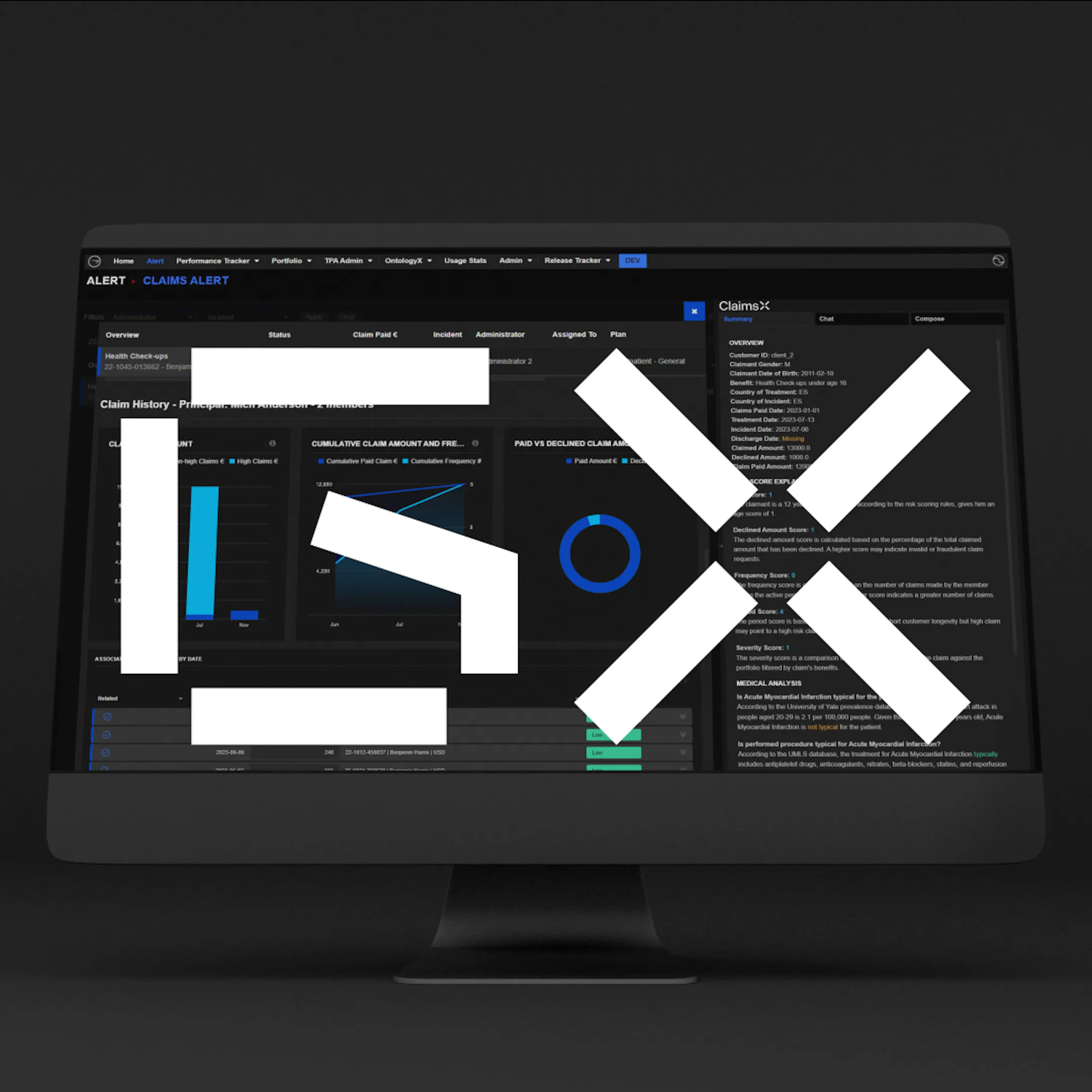
Galytix AI
Brand Fix
 Galytix AI agents deployed globally
Onlia
InsurTech
One of Canada’s fastest-growing digital insurers
The most underrated job of branding in fintech isn’t a new logo. It’s reducing perceived risk. Investors don’t just back code. They back a protectable, scalable brand that communicates:
A strong brand idea creates an investable ‘Moat’ - IP that de-risks a new venture and facilitates scale.
A common fintech mistake: leading with the algorithm, the architecture, the engineering. Nobody wakes up thinking: “I need a specialised agentic AI with a bespoke multi-format data ontology" They wake up thinking:
Brand does three practical things:
Scaling fintech isn’t just shipping more features. It’s getting more people to choose you without the founder personally doing a TED Talk in every meeting. Brand scales the founder. It captures their values, point of view and vision, then repeats them consistently across:
Brand also acts as a talent magnet: great people don’t join 'a payments platform'. They join a mission, a standard, a reputation, a story they’re proud to tell. A compelling brand:
Portfolio clarity (brand architecture)
Fintechs expand fast: new products and features, new versions and geographies. Without structure it becomes a product soup. Brand architecture helps you:
Brand stops growth turning into sprawl.
Here’s the honest fact: almost no fintech builds exactly what it first planned. Prototypes evolve. The use case sharpens. The audience shifts. New opportunities emerge. That’s normal. But awareness only compounds when the story stays consistent. So you need a brand idea that can hold steady while the product evolves:
The brand should be the stable thread. The thing that stays relevant as you pivot from 'disrupter' to 'trusted platform'. If you change your message every quarter you stay in permanent introduction mode. Exhausting and expensive.