Repositioned for the age of hybrid retail - from dated retail park to omnichannel destination.
Retail parks had a relevance problem. Post-Covid, with Amazon reshaping how people buy everything from trainers to toasters, the out-of-town retail park looked like yesterday’s format. Footfall was down. The narrative was decline. The Fort Birmingham - a large, accessible retail and leisure destination - was caught in this perception gap. The site itself was strong: great access, easy parking, big brands trading well, and a surrounding community that relied on it. But the brand told none of that story. It looked tired, generic, and indistinguishable from any other edge-of-town retail park in the country.
Meanwhile, the smartest hybrid retailers were seeing an opportunity that the old retail park label completely missed. Click and collect was turning physical sites into logistics hubs. Visitors weren’t just browsing - they were picking up online orders, charging their EVs, eating, staying longer. The Fort needed to reposition itself around this reality: not a dying retail park, but a modern omnichannel hub that served its communities in ways Amazon never could.
The brand was the blocker. Without a fresh story, tenants felt uninvested in, visitors had no new reason to come and the site’s genuine strengths: accessibility, solar-powered energy, family-friendliness - were invisible.
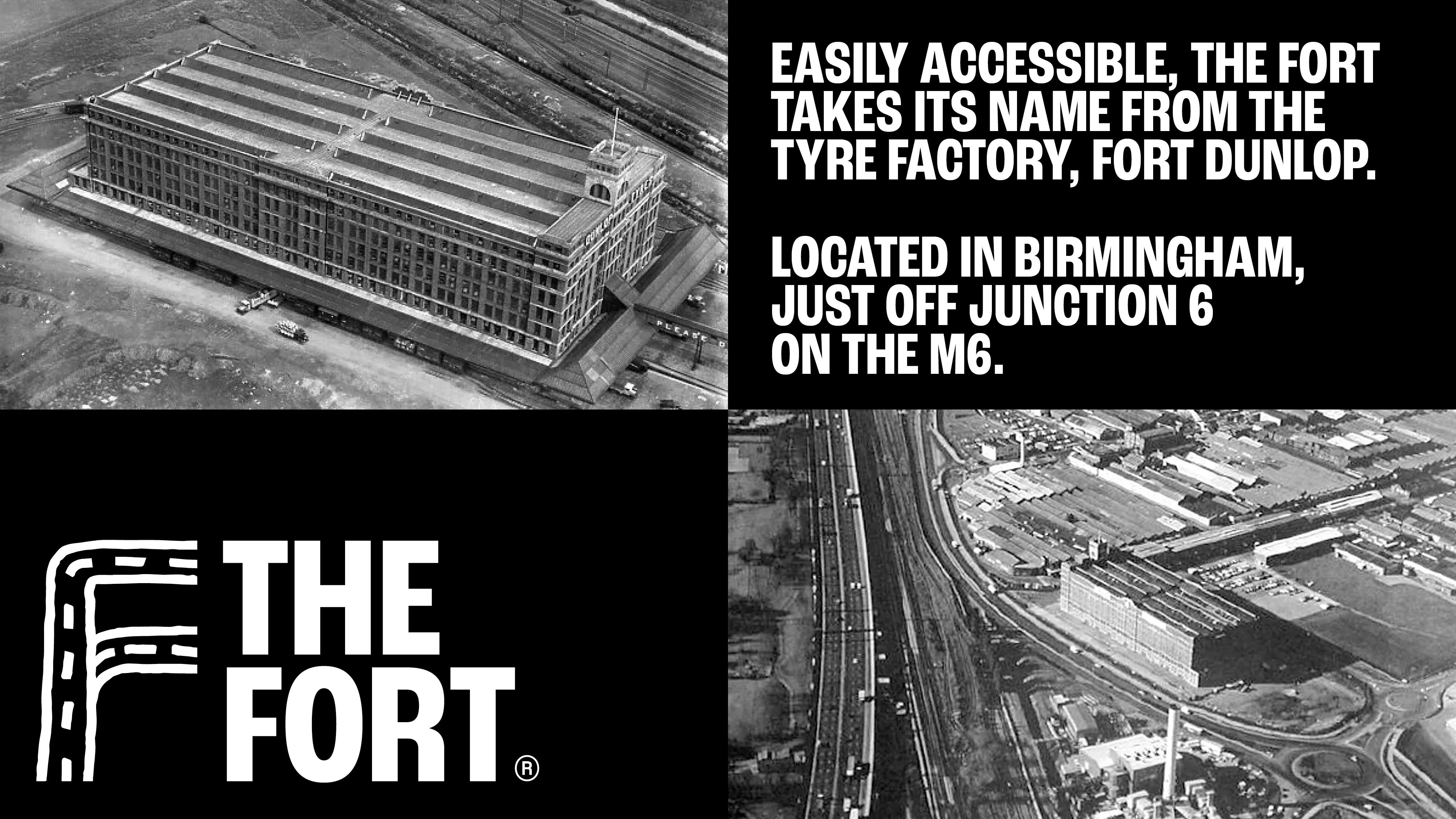
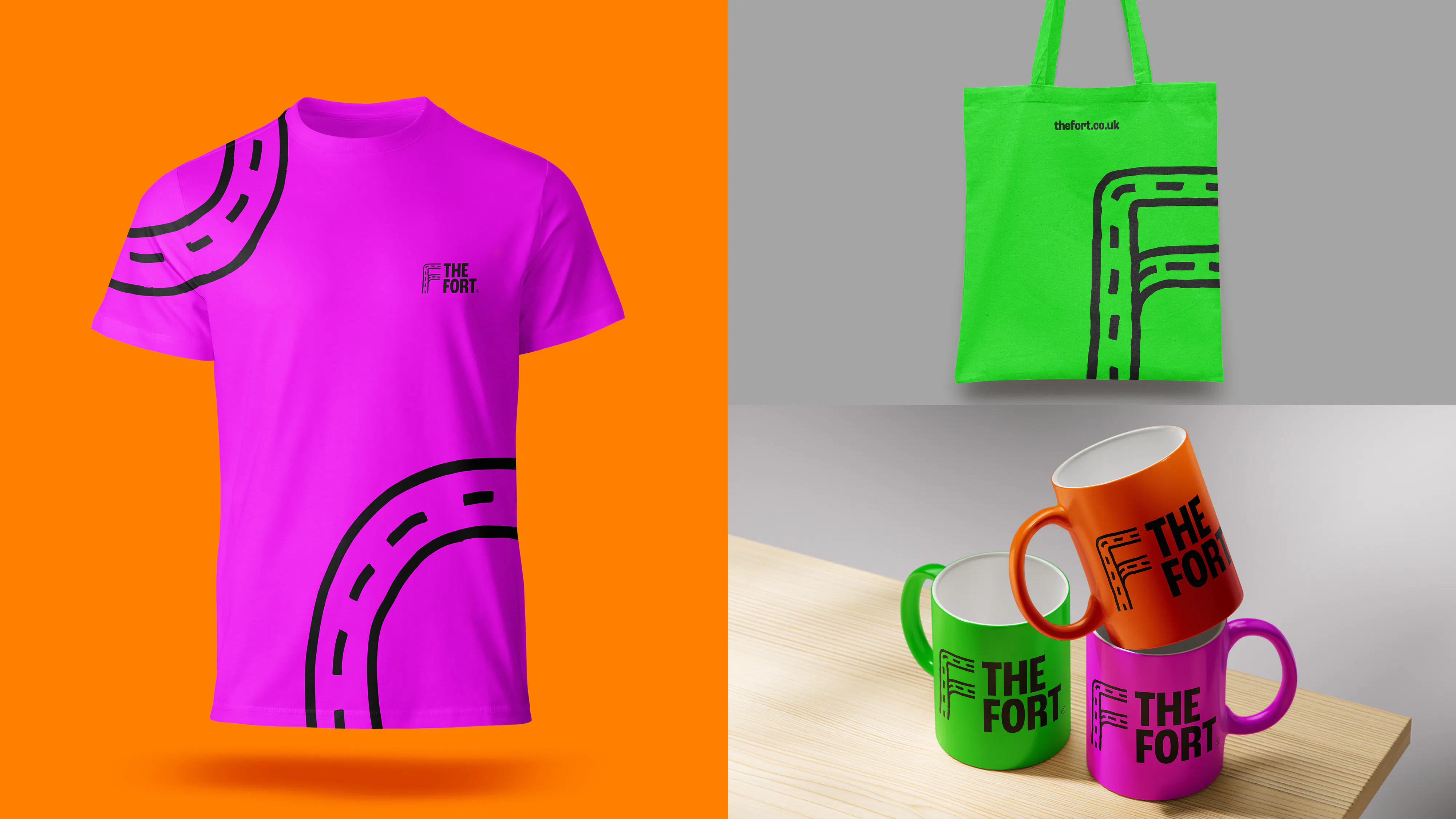
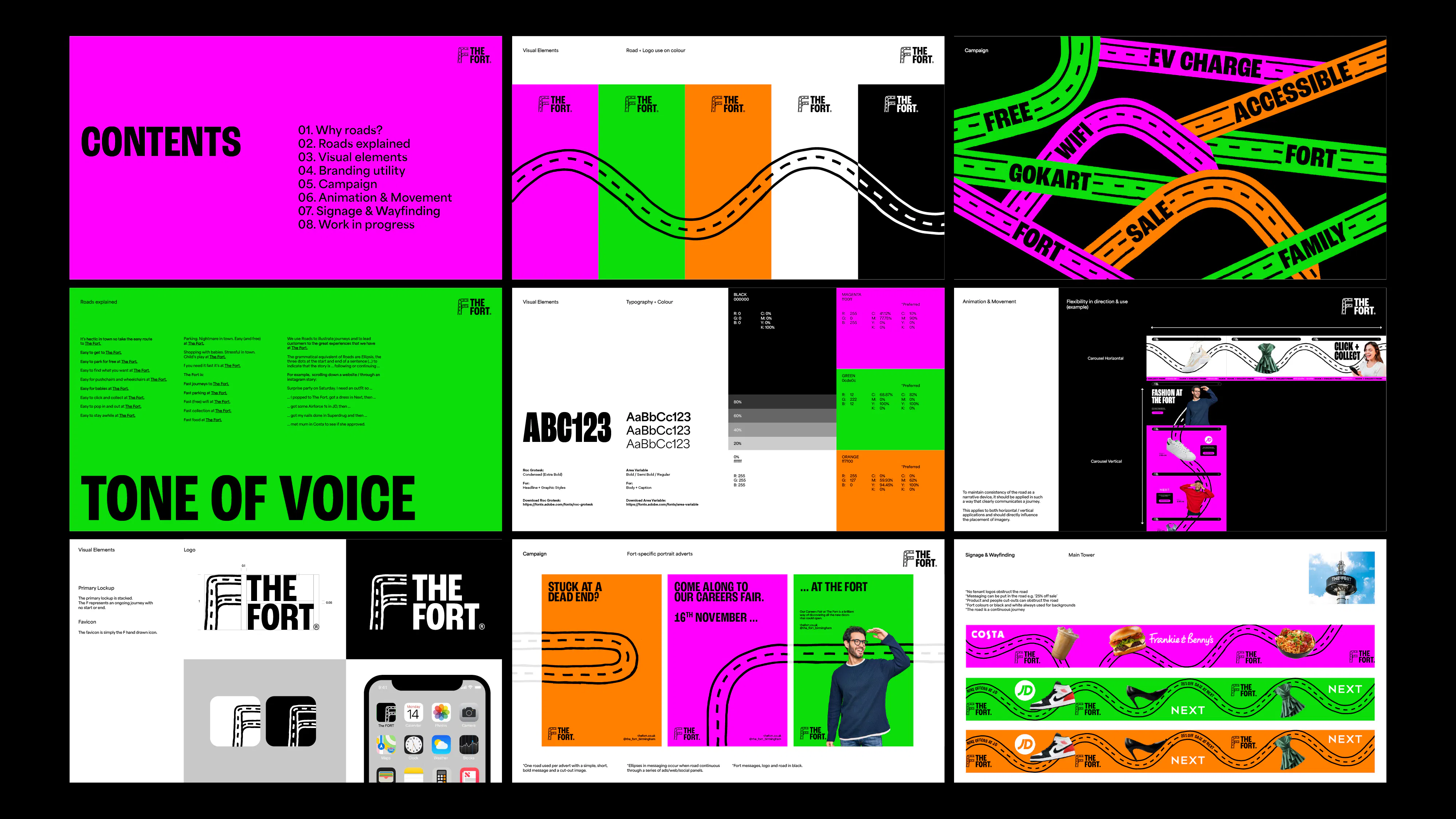
We built a brand around what The Fort actually was, not what retail parks used to be. The positioning shifted from “out-of-town retail” to omnichannel hub where people could shop, eat, click, collect and charge - all in one easy, accessible place.
The new brand line: “All roads lead to The Fort” did practical and emotional work at the same time. Literally, it guided visitors to the site and underlined how easy it was to reach and park. But it also repositioned The Fort as a destination with pull.
The brand recognised The Fort’s real strengths and made them visible: excellent accessibility for young families and people with mobility needs, investment in renewable energy with solar panels powering the shops and visitors’ electric vehicles and a tenant mix of fashion, food and lifestyle brands that reflected how people actually live and shop now.
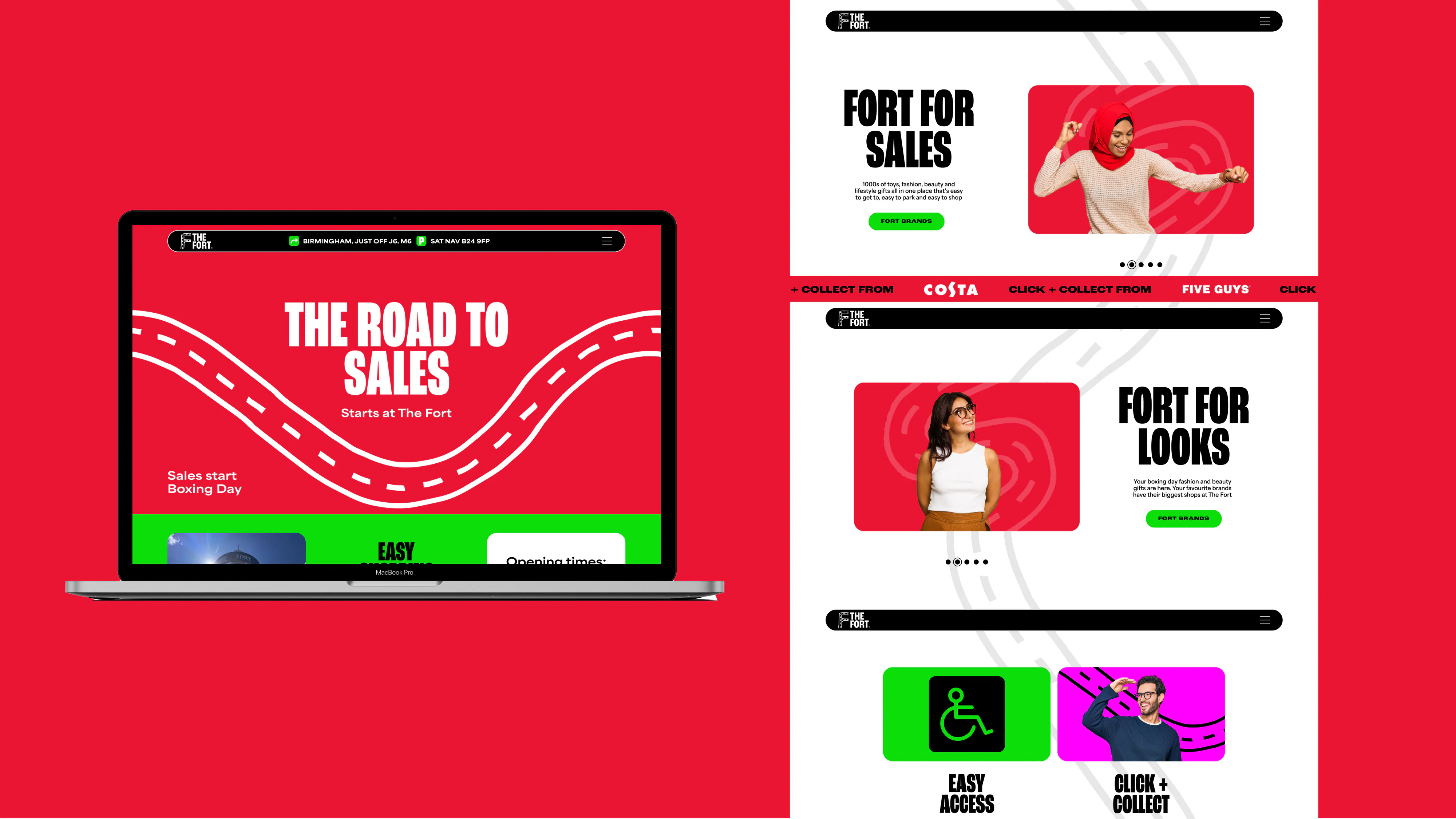
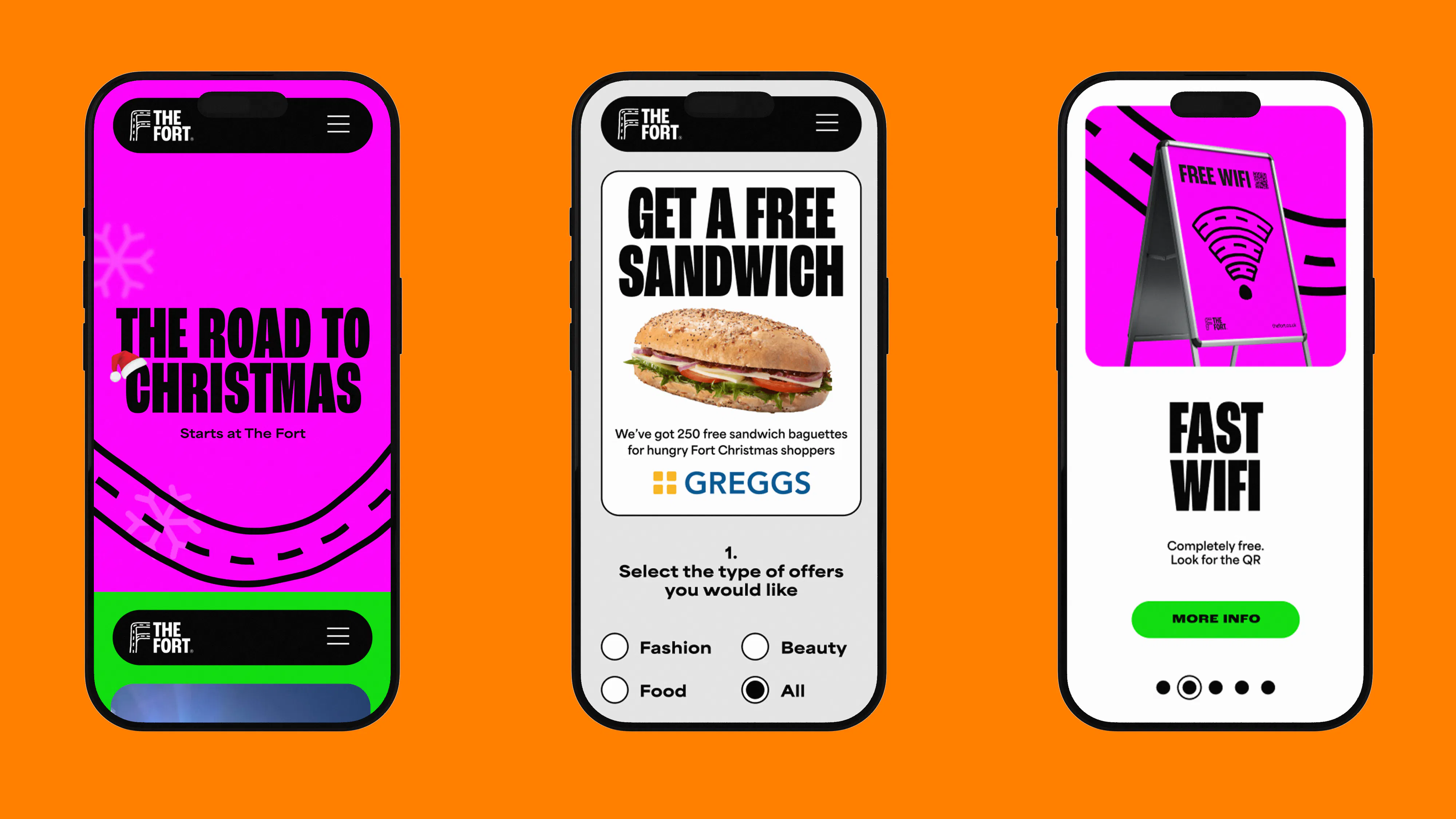
The design, website and social media content were all rebuilt to tell this story consistently - giving tenants something to feel part of and giving visitors new reasons to engage. A rebrand like this is one of the fastest, most cost-effective ways to create momentum in a physical asset. It signals investment. It changes perception. It gives every tenant and every visitor a reason to believe the place is going somewhere.
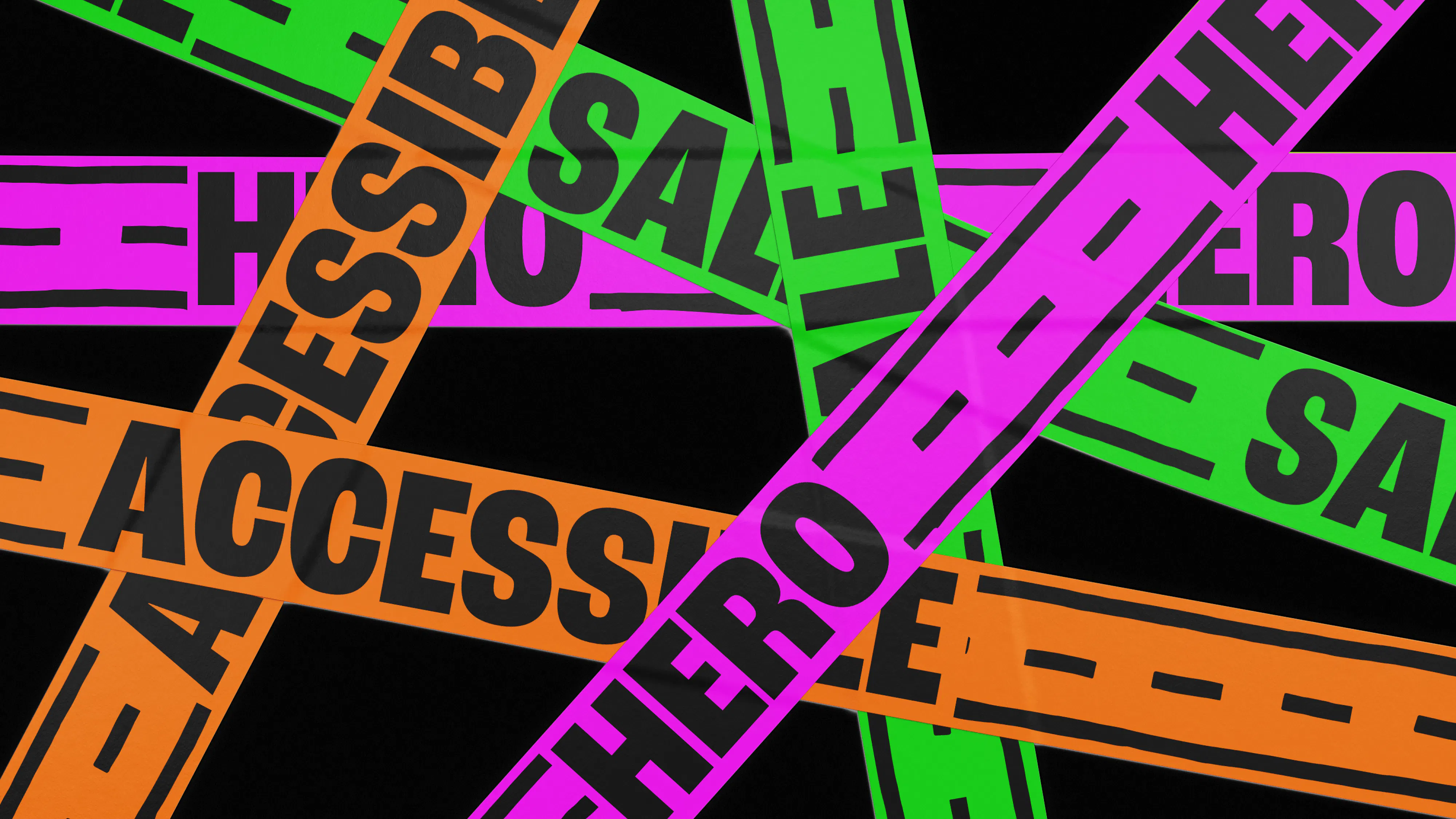
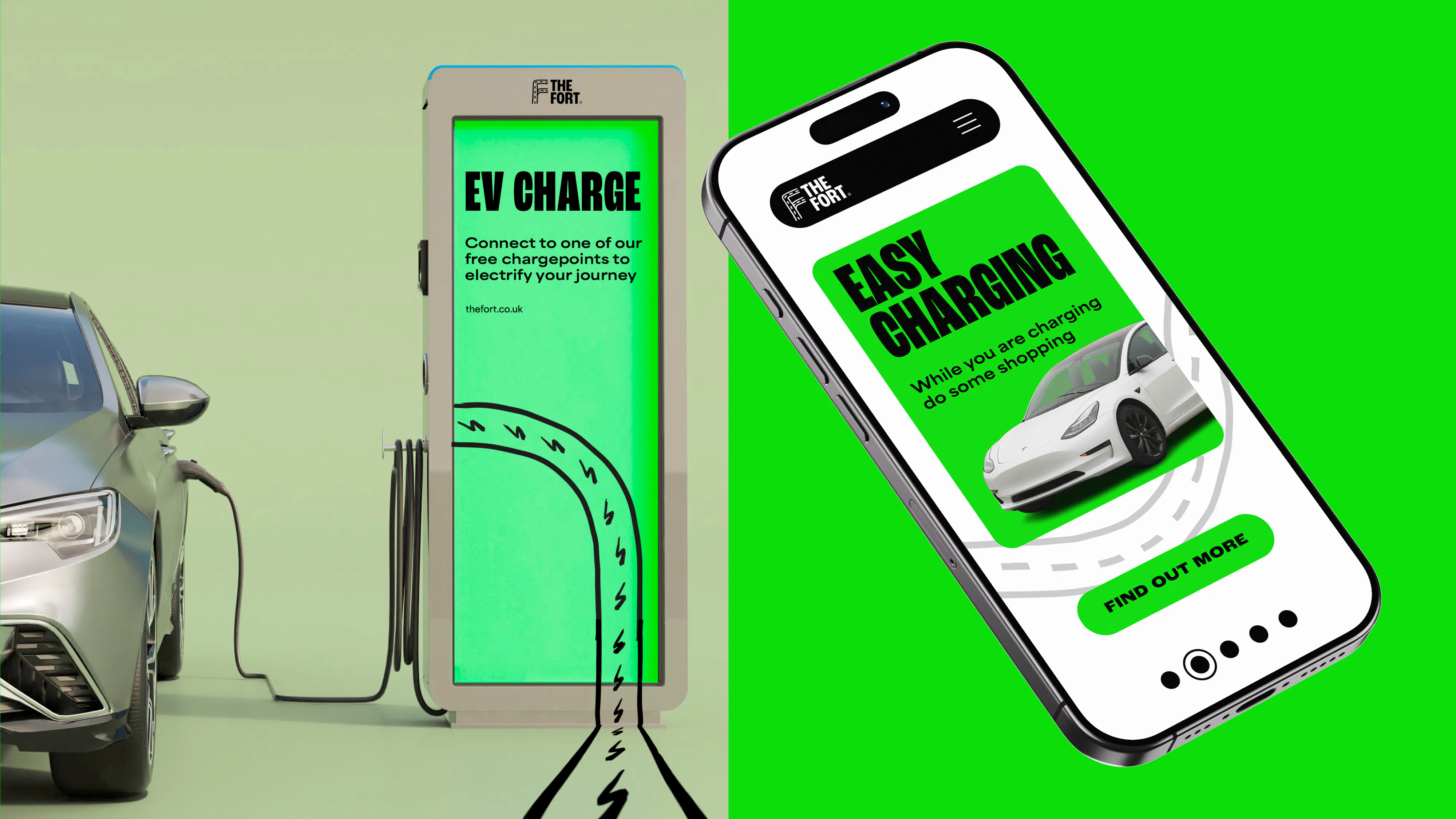
The results were immediate and measurable. Social media engagement and website visits increased by 1,000% - digital views on The Fort’s social channels leapt to tens of millions. That’s what happens when a brand starts talking to its audience in a voice they recognise and care about.
Tenants responded too. Big brands are trading well and opening new stores at the site. Existing tenants are actively engaged with the new website and see the rebrand as a genuine step forward - proof that the landlord is investing in the place, not just collecting rent.
The Fort demonstrates the value brand can add to retail real estate. A site with strong fundamentals but a dated story, repositioned around how people actually behave now. The brand didn’t change the bricks. It changed the perception and perception is what drives footfall, tenant confidence, and asset value.
Brand strategy and proposition
Brand design
Website design
Social media content
Retail → Omnichannel
Out of town → Zero hassle
Edge → Community hub
