A place is a product. That insight shapes how we approach real estate branding. We learned this working alongside some of London's most visionary placemakers.
A place-product needs to know who it's for and how it's going to make their lives better. It needs to deliver that promise consistently through public space, services, architecture and amenity. And unlike almost any other product category, places take years and enormous capital to acquire, plan, design, build and let, across multiple economic cycles. That demands a brand strategy capable of engaging investors, planning committees, design teams, prospective tenants and local communities, often simultaneously, always over the long term - and remaining credible and relevant throughout. We learned this working on Enjoy-Work at Chiswick Park and More London. It shaped everything we've done in the sector since.
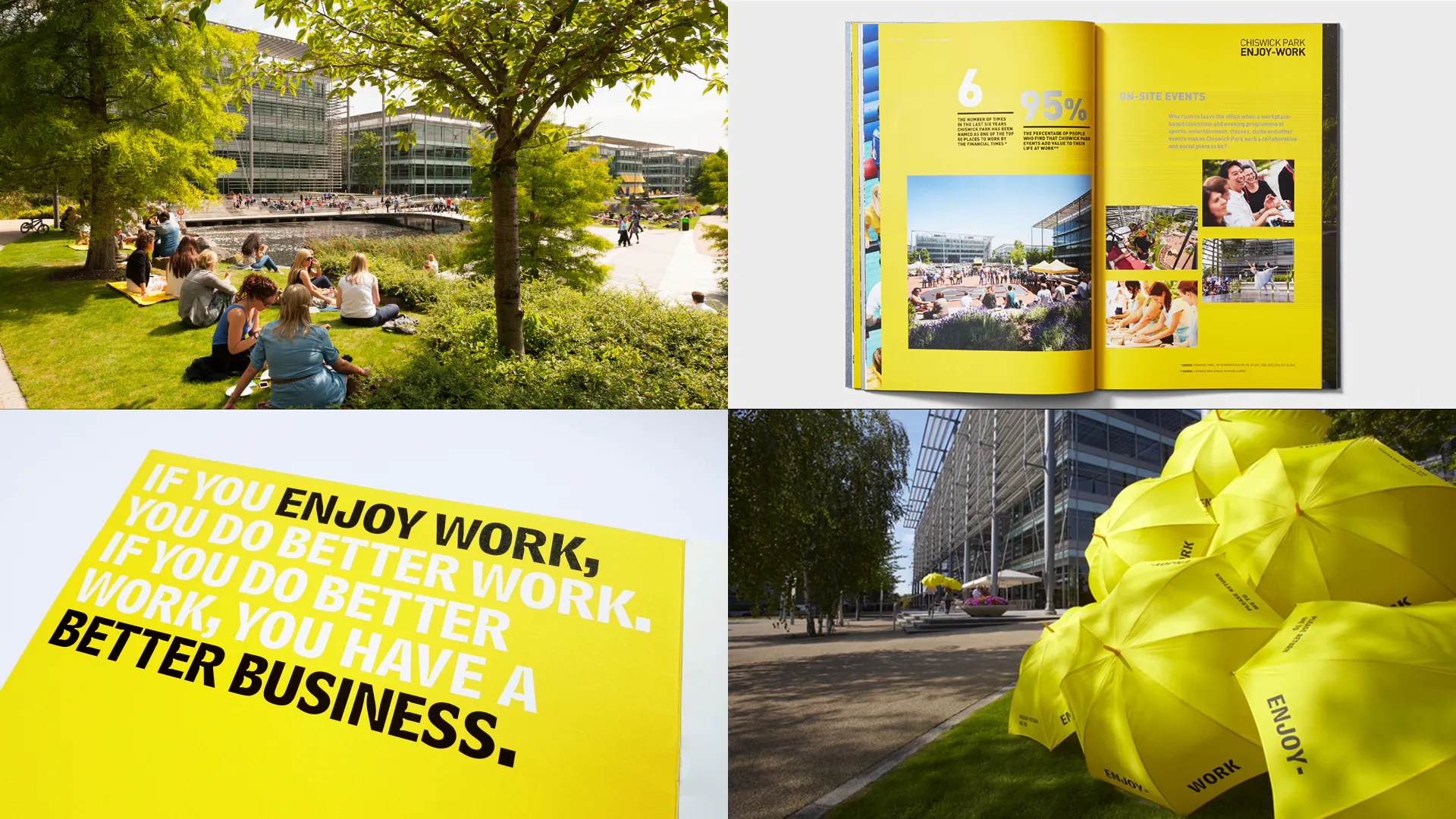
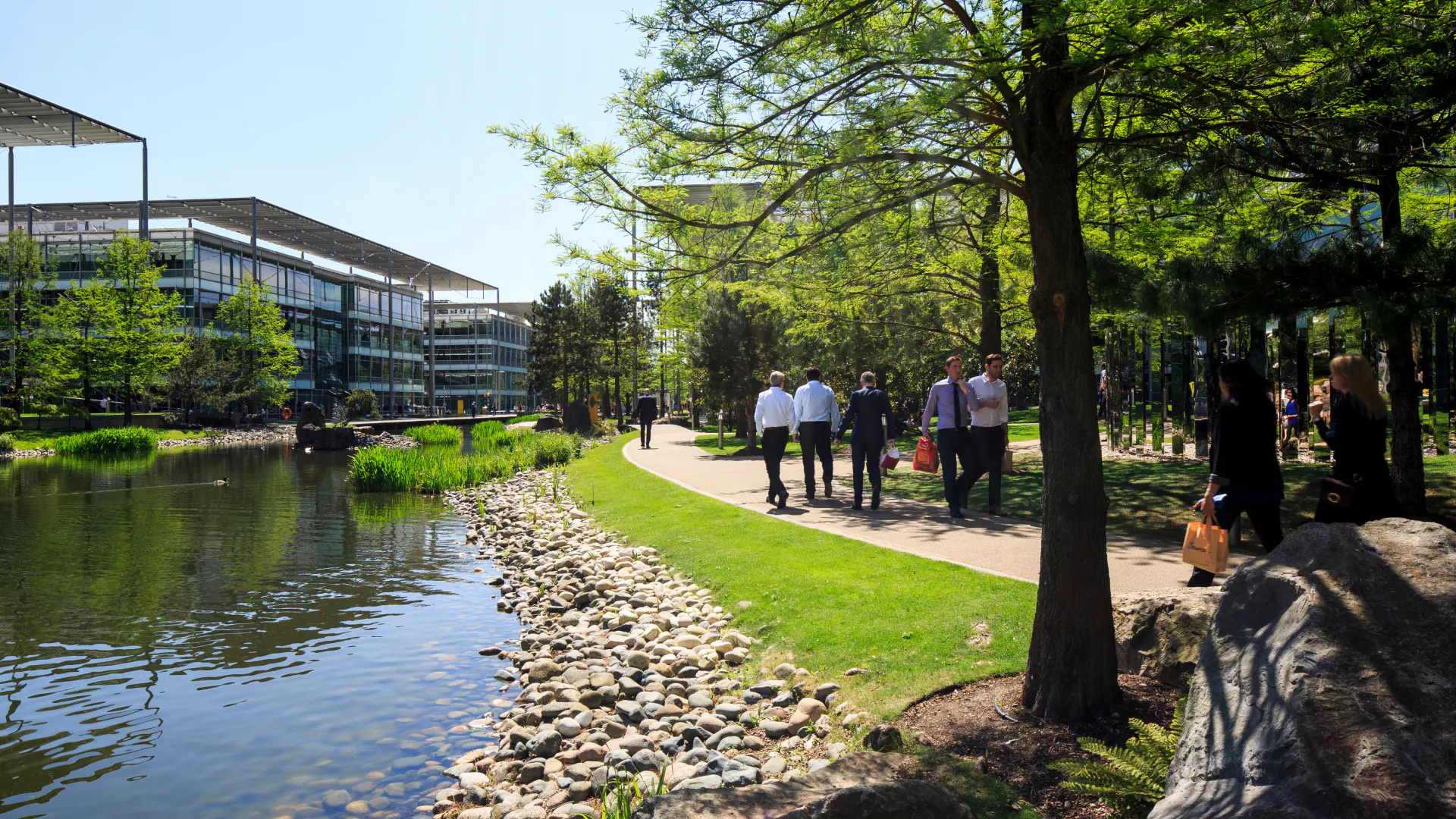
We've named significant parts of London. Enjoy-Work at Chiswick Park gave a 33-acre, 1.8 million sq ft campus of 12 Richard Rogers-designed buildings a human idea at its centre. The proposition - that where you enjoy where you work, you do better work.
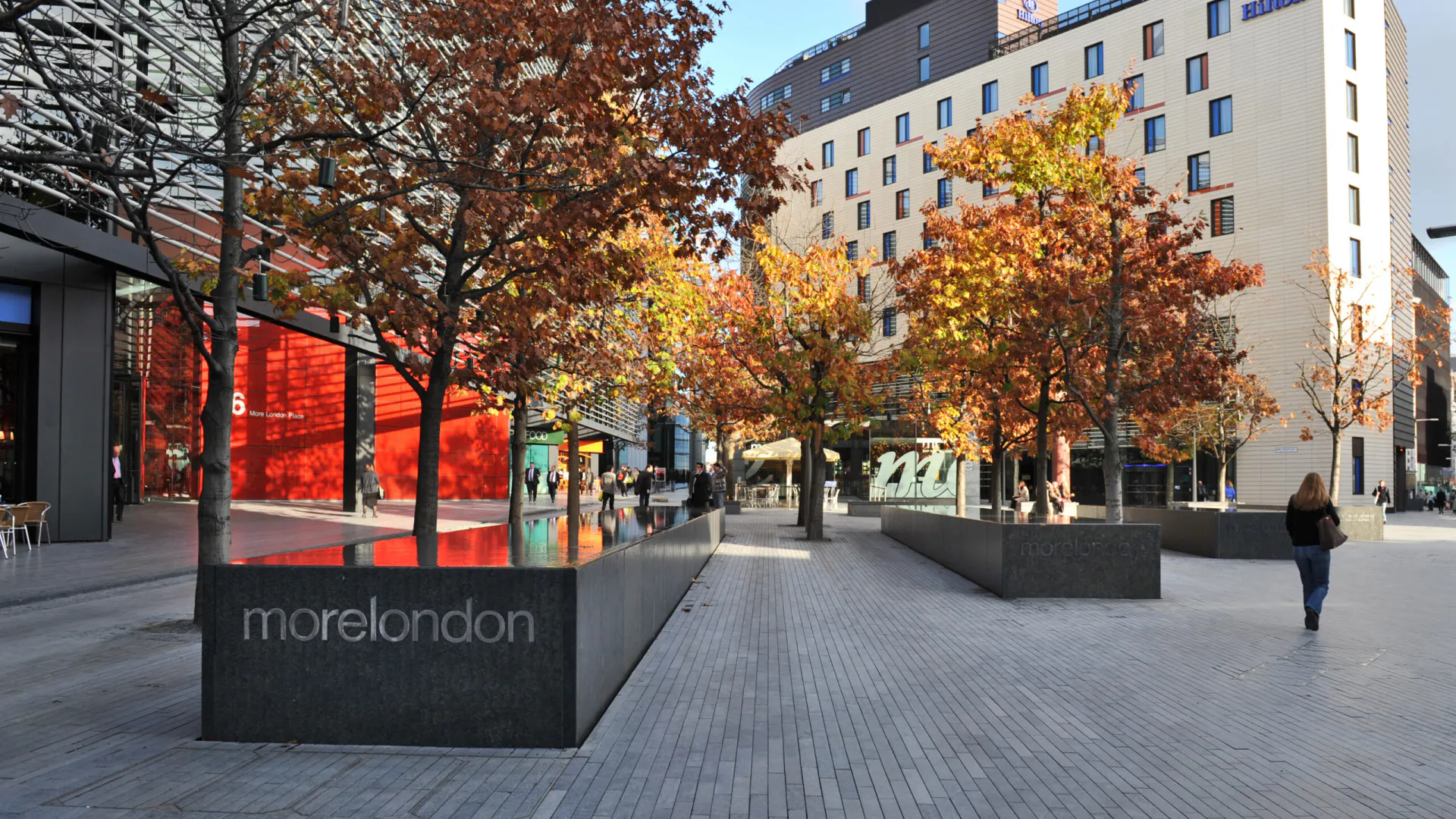
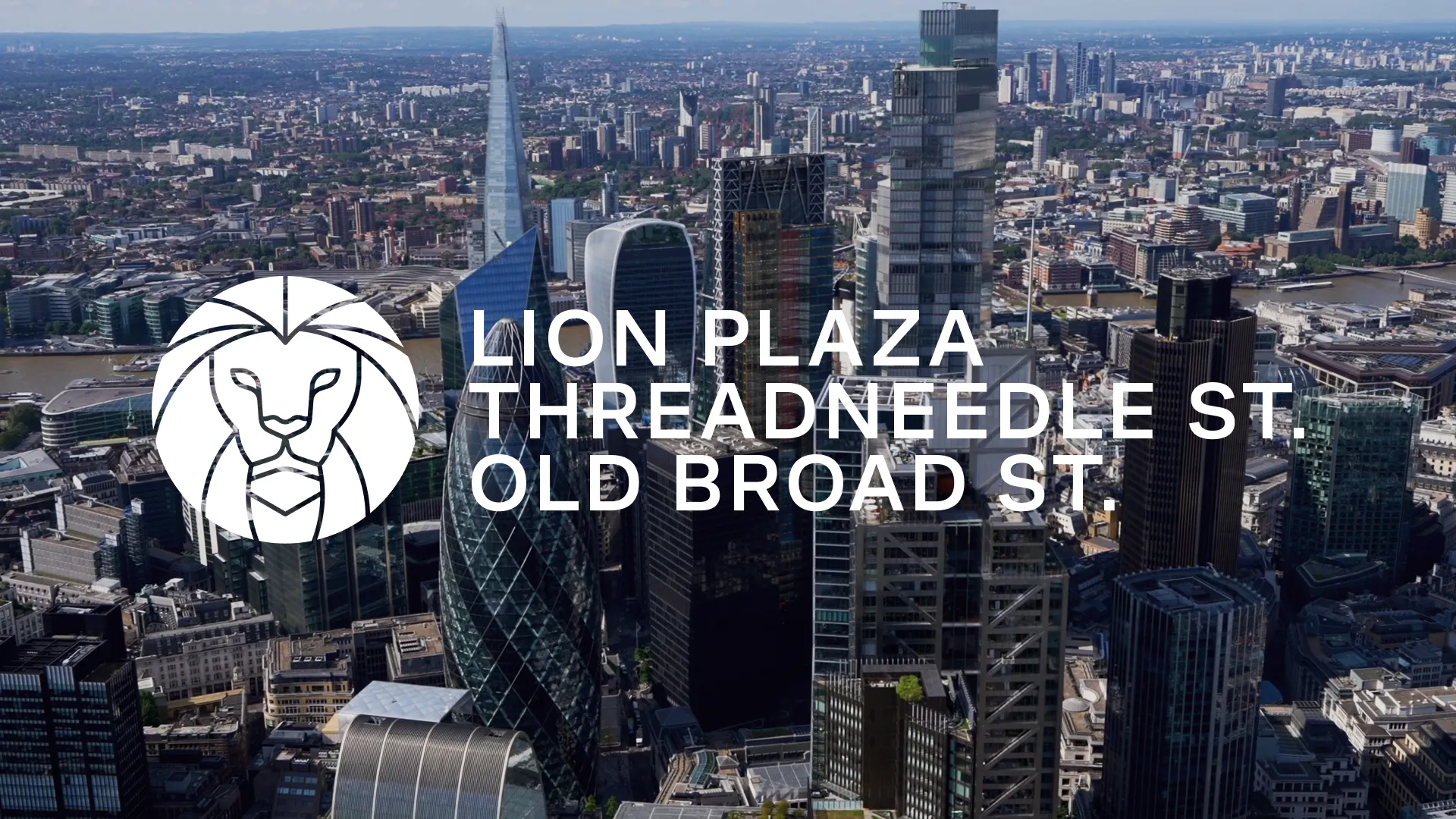
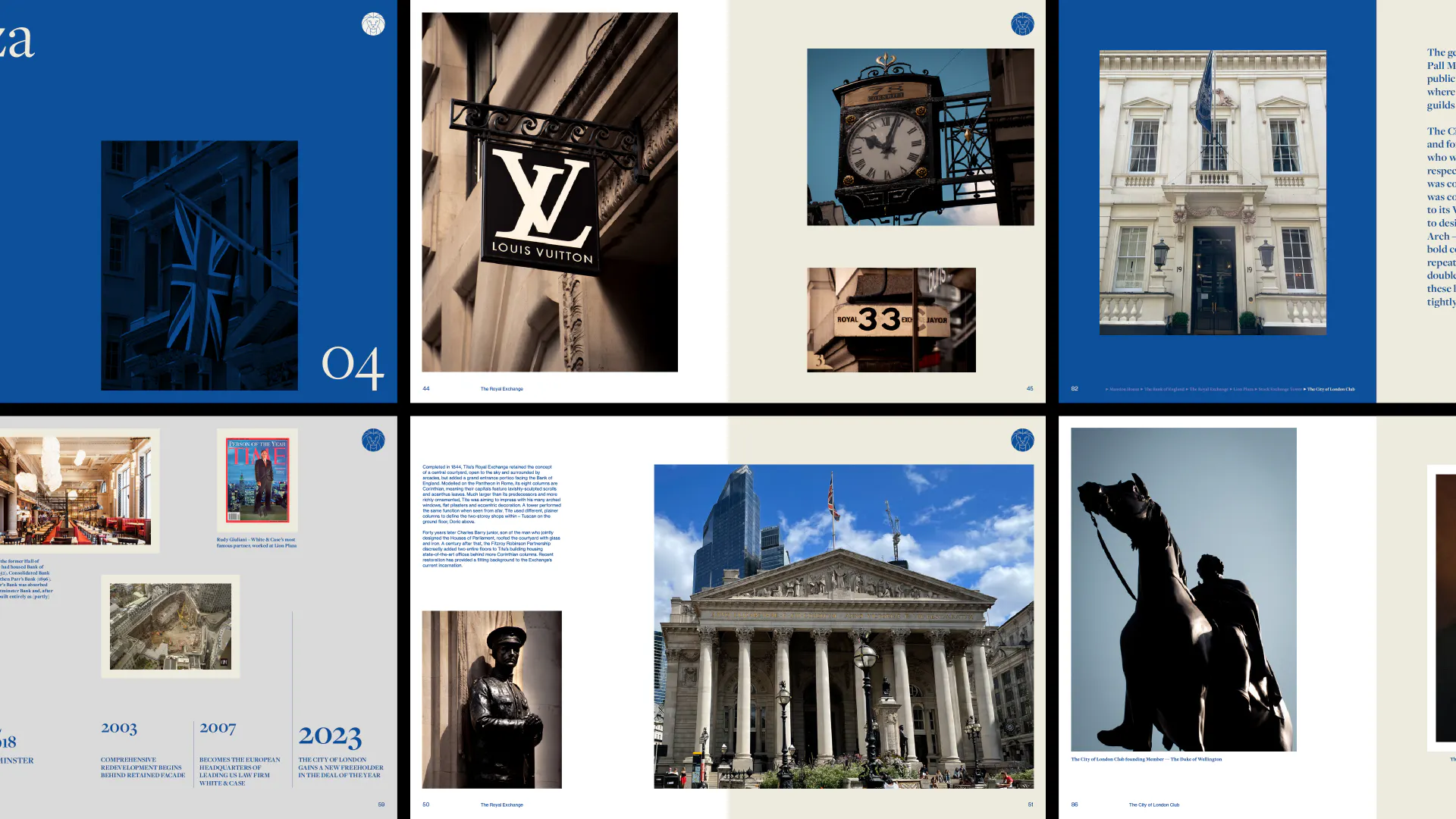
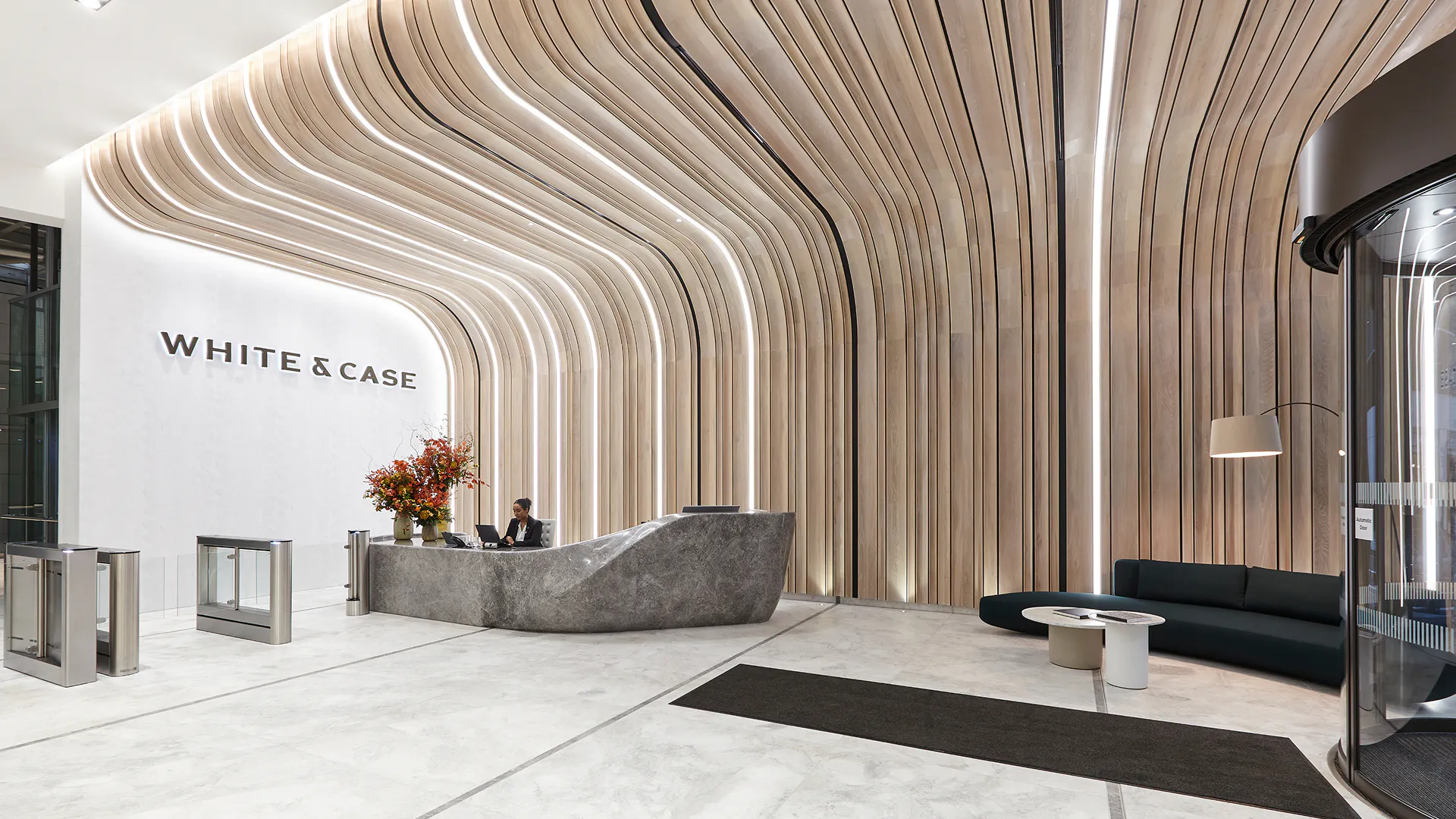
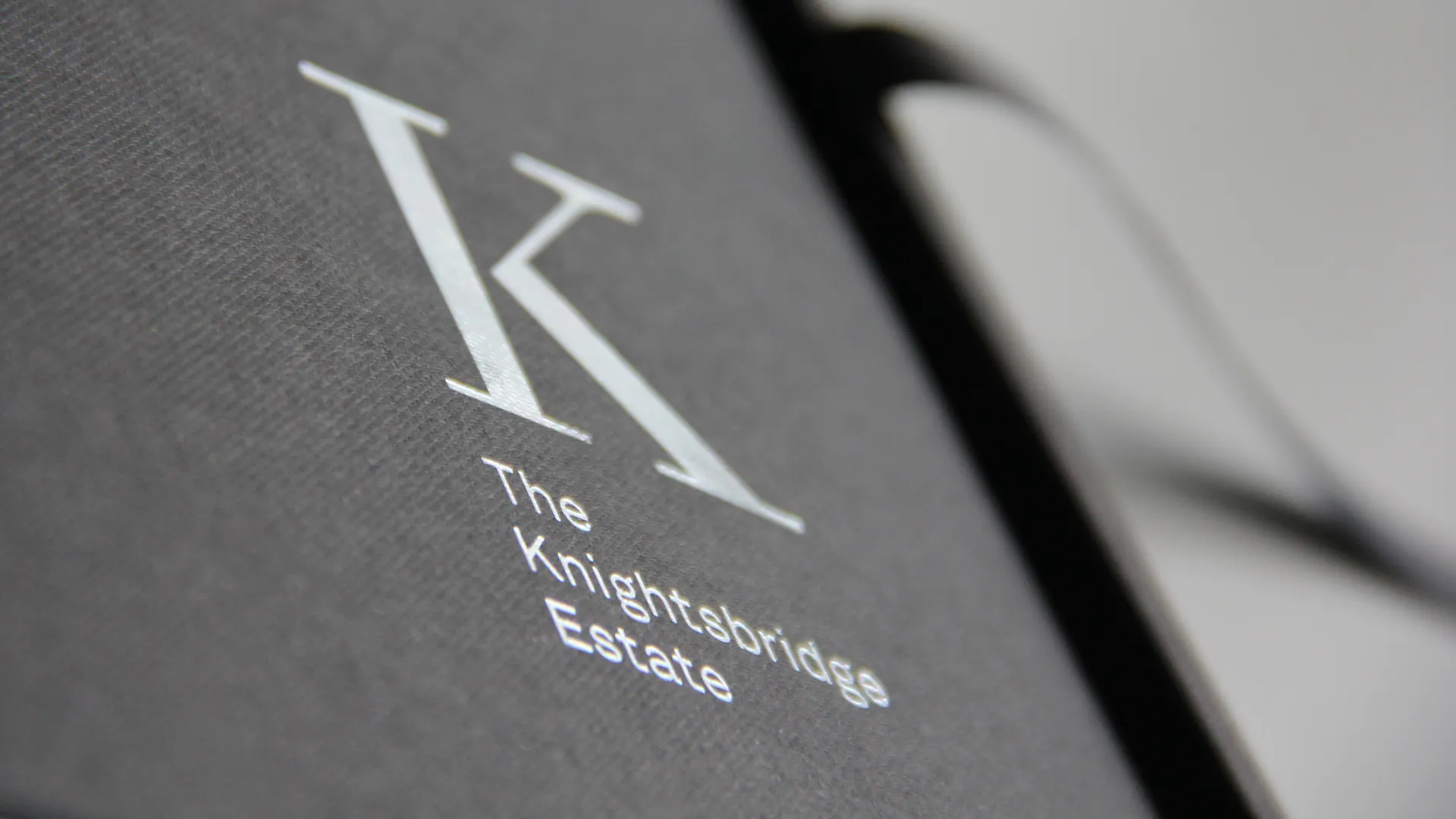
More London gave the 13-acre, 2.1 million sq ft riverside development between Tower Bridge and City Hall an identity that helped it become home to PwC, EY, Norton Rose and the Mayor of London. Beyond those foundational projects, we've created brand strategies for The Knightsbridge Estate and Lion Plaza and worked on successful bids for Royal Street.
What makes us effective at real estate branding is that it is not the only thing we do. We take best-in-class thinking from other sectors, we understand what tenant organisations genuinely care about, and we resist formula, particularly the lazy shorthand of an identity built on little more than an address. We define the promise of the place: what you actually get when you choose to be here. That promise becomes the thread that runs through every investor deck, planning application, design decision and leasing conversation.
Chiswick Park has sustained close to full occupancy for 25 years, housing a community of over 9,000 people across the headquarters of more than 40 companies, among them Danone, Paramount, Starbucks and Singapore Airlines, with tenants consistently renewing and expanding. More London has been similarly enduring, its public realm now among the most visited stretches of the South Bank.
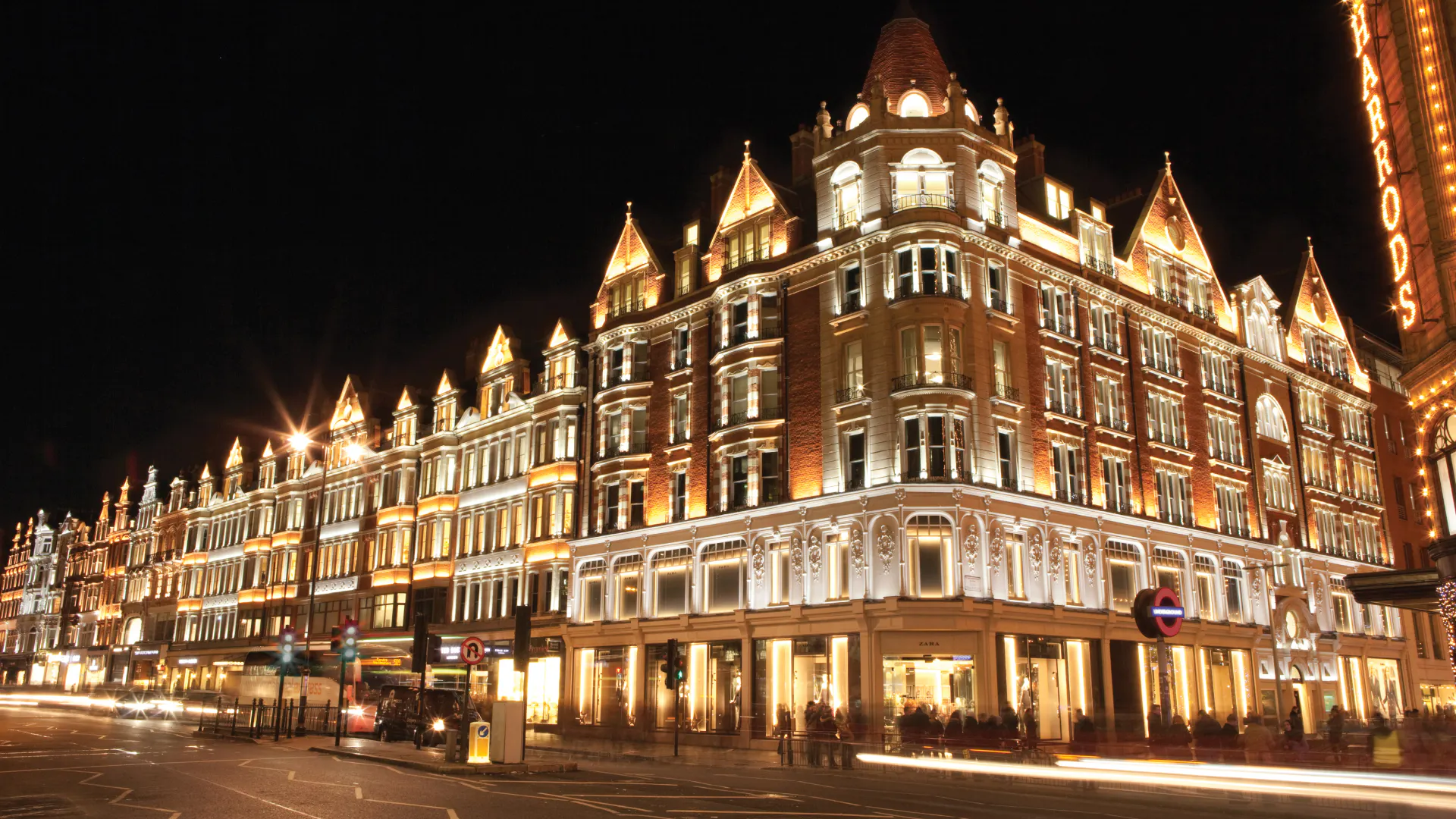
The Knightsbridge Estate has been transformed from Brompton Road's overlooked neighbour into a genuine luxury brand destination, anchored by Chanel and the retail offer that surrounds it. Lion Plaza stands as an exemplar City of London deep retrofit, a masterclass in retaining a building's historic character while giving it an entirely future-facing core, the kind of project that sets a template for how the City renews itself. The thread connecting all of it is the same: brand as the de-risk, value-add secret weapon of placemaking. The best developers and investors know this. The best projects prove it.