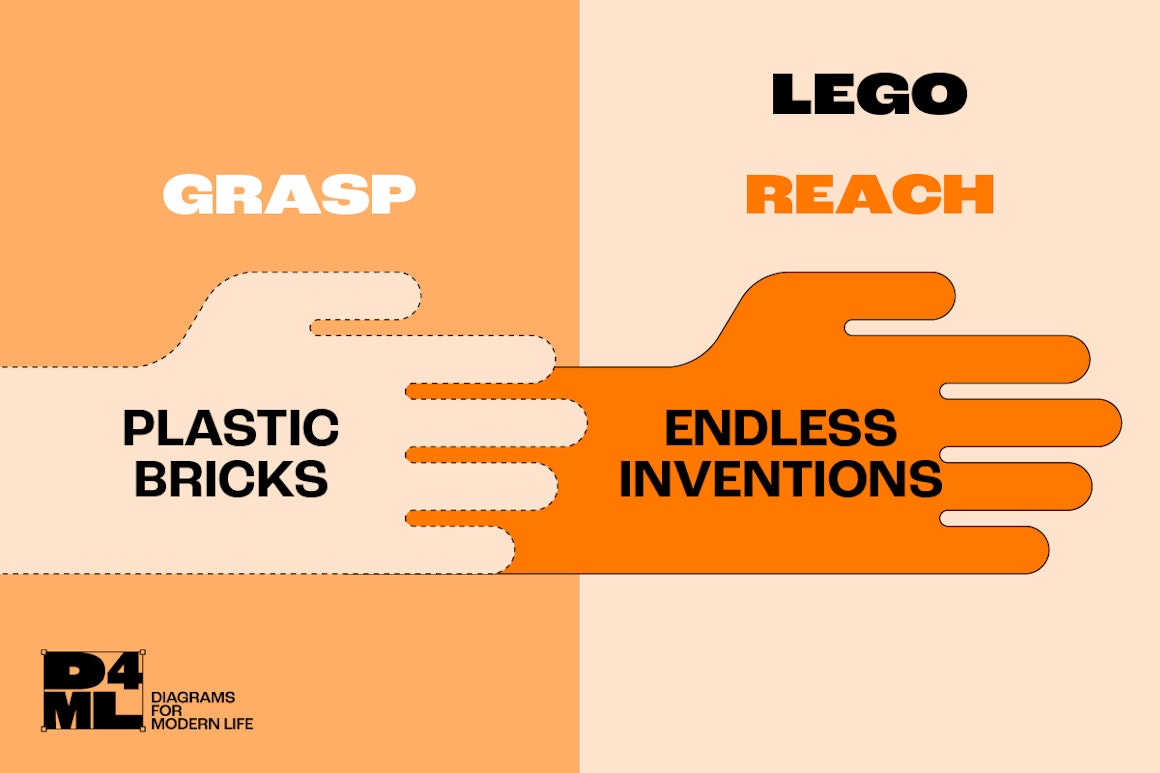
An organisation’s reach should exceed its grasp. Or what’s a brand for?
Founder / Creative Director
@11:00, 09.02.2026


Brands are supposed to be ambitious. Henry Ford’s overused line still holds: “If I’d asked people what they wanted, they’d have said a faster horse.”
Let’s start 2026 with a hot take. For your first big “where next?” meeting, I dare you to:
- Ignore what customers think
- Ignore the data
- Get six smart people in a room you trust
- Create something genuinely new
Brands are supposed to be ambitious. Henry Ford’s overused line still holds: “If I’d asked people what they wanted, they’d have said a faster horse.”
We’ve spent far too long branding faster horses - optimising, tweaking, colouring inside the lines. Some people call it “blanding”, and creativity has drifted over to the technologists.
Robert Browning said, “A man’s reach should exceed his grasp, or what’s a heaven for?” The brand version is simple: an organisation’s reach should exceed its grasp. Or what’s a brand for?
I saw this for the first time a lifetime ago when Wolff Olins launched Orange. It was a late entrant in a crowded market, with zero customer insight supporting the leap - just big, bright, pre-millennium optimism (“the future’s bright”), backed by radical service innovations like per-second billing.
We did the same with Enjoy Work at Chiswick Park. It’s still the only placemaking brand; everything else is addresses and logos. Enjoy Work is a promise.
Same story at Brompton bikes. “Made for Cities” wasn’t about bikes - it was about cleaner, healthier, more joyful movement through urban life. Same with Gen H: they reach beyond “a mortgage lender”; they’re trying to fix a broken housing system.
Here’s the point. “Jobs to be done”, optimisation, and “listening to the customer” is fine at the UX and service design level, and it’s useful for tactical, temporary social media campaigns. But it’s not how you define a brand that stands out long term.
The uncomfortable truth is that all the optimising, tweaking, and “refreshing” in the world won’t grow a brand in any meaningful way. You can’t optimise your way into the future; you have to declare a future and build towards it.

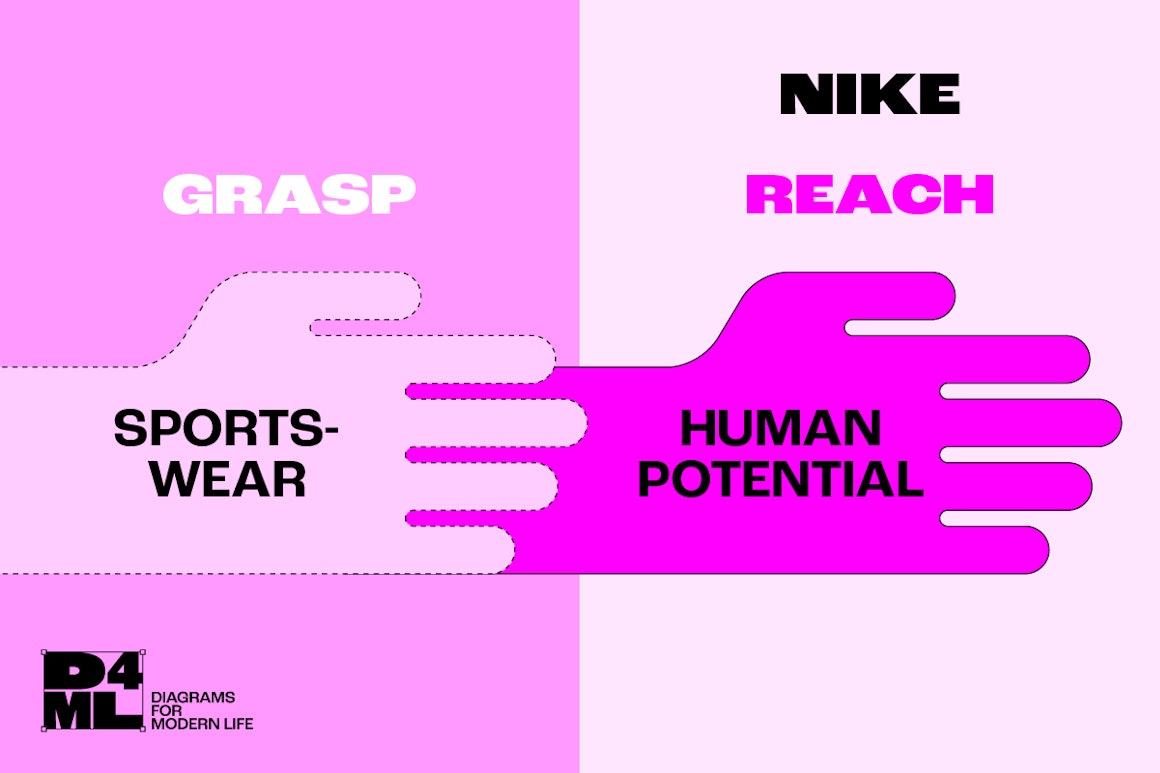
The space between your grasp and your reach is where HR, finance, operations, product, sales, legal, procurement, the board, and investors all align - and brand leads.
You can measure a brand after the fact, but you cannot measure one into existence. Do the research. Be strategic. Engage experts. Then leap.
Brand is like King Théoden in The Lord of the Rings, facing the huge Orc army and rallying his cavalry: “Arise, arise, Riders of Théoden! Spears shall be shaken, shields shall be splintered! A sword-day, a red-day, ere the sun rises!”
If Théoden had spoken to his customers first, he’d have said: “So… there are 10,000 of them, 1,000 of us. They have fangs and pointy sticks, but we’re better looking and on horses, so maybe it’s 60/40 we make it out alive? Ok, let’s go!”
Brand must point somewhere bigger, newer, and slightly out of reach - while still being true to your organisation. Hard? Yes. Impossible? Absolutely not.
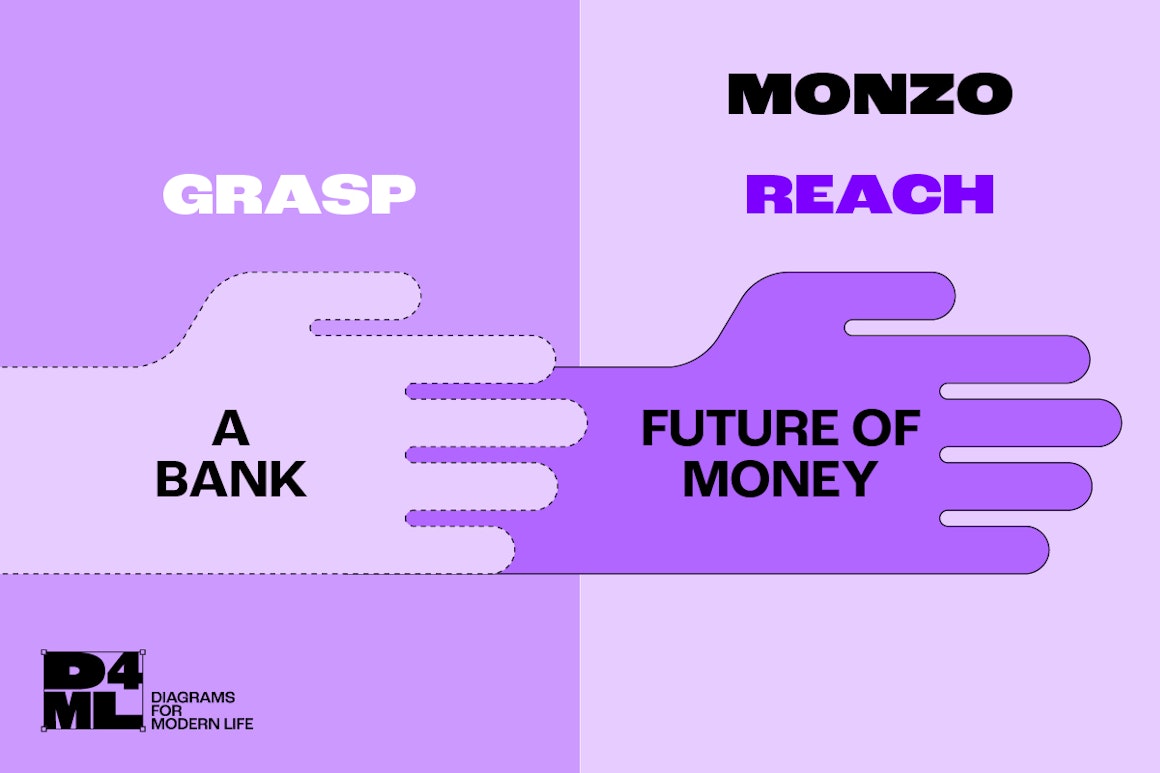
These brands didn’t wait for permission:
Nike sells human potential, not trainers.
Patagonia sells a worldview, not jackets.
Netflix promised unlimited choice before the tech stack could really deliver it.
Apple didn’t sell computers; it sold creativity, rebellion, and beautifully simple futures.
Airbnb started with airbeds; it branded itself around belonging anywhere.
Disney isn’t movies, but magic and shared imagination.
SpaceX isn’t rockets, but a multiplanetary future.
Monzo is a bank that branded itself as the future of money.
LEGO isn’t bricks, but creativity and open-ended invention.
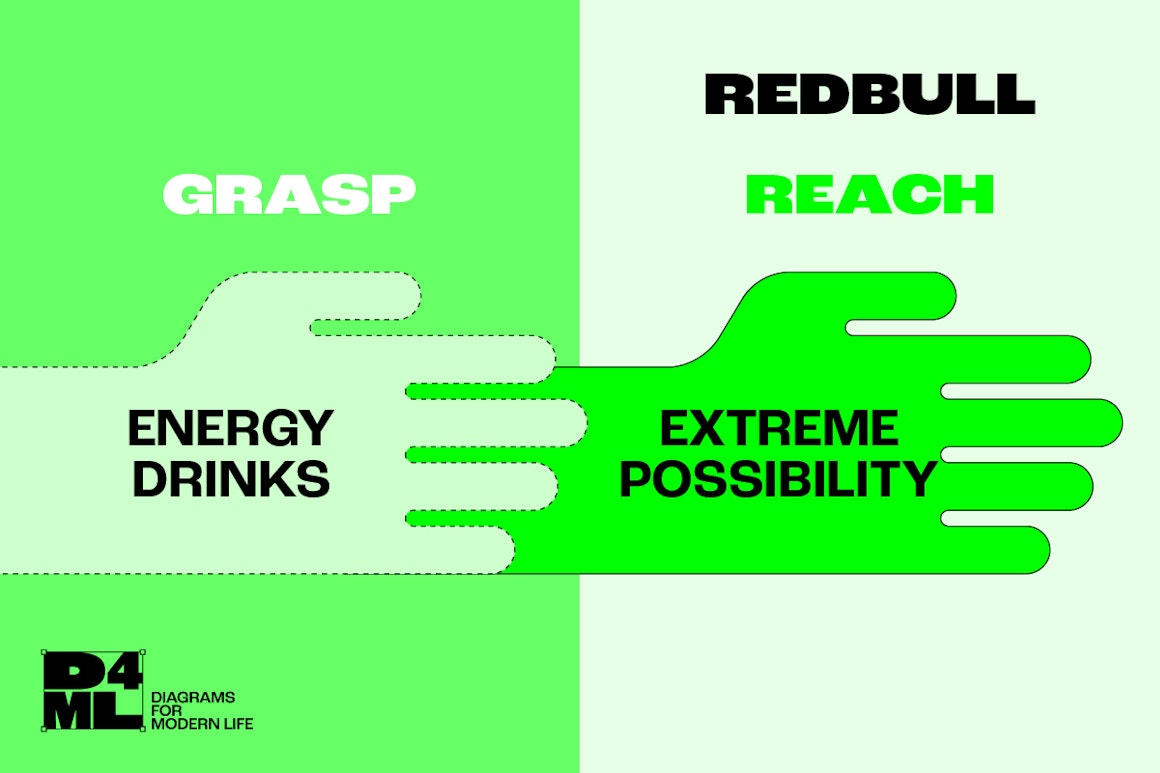
Red Bull isn’t energy drinks, but human flight and extreme possibility.
Oatly isn’t oat milk, but a mission to reinvent the food system.
They reached into the future and then built towards it. It’s your brand’s job to drag your organisation towards the next version of itself.
Is your brand doing that? Or put another way: what are you reaching for in 2026?